


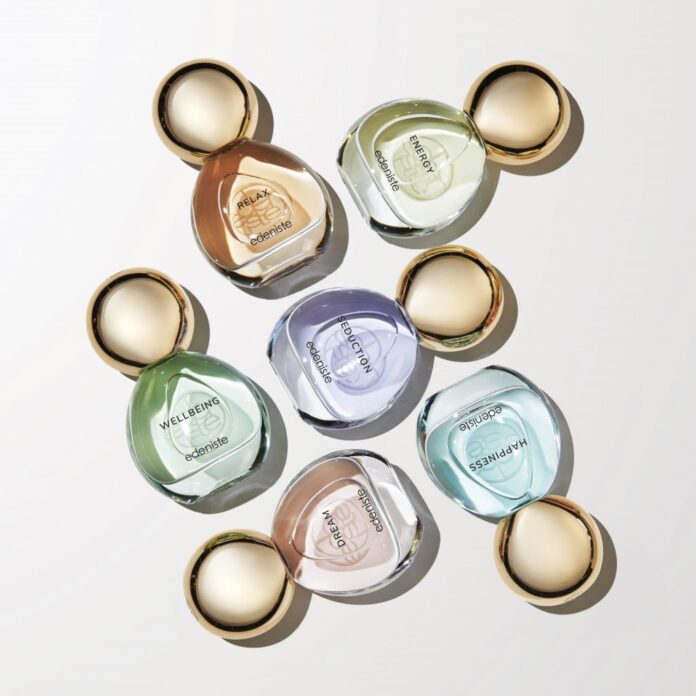
Walk into any department store fragrance hall, and you will find hundreds of bottles promising sophistication, allure, and compliments from strangers. What you will not find is a single perfume designed to actually help you feel better. Traditional fragrance has always been about one thing only: smelling good for other people. Your mental state, your energy levels, your ability to focus through a difficult afternoon? Not the industry’s concern.
Functional perfume flips this entirely. Built around aromachology, the science of how scent affects mood and behaviour, these formulations are designed to shift your mental state on demand. Searches are up 340% on Google Trends, with editors calling it the decade’s most underrated self-care tool. Functional perfume is quietly becoming a wellness essential many still overlook.
What Exactly Is Functional Perfume?
Traditional perfume asks one question: Does this smell good? Functional perfume asks a different question: what do you need to feel right now?
The distinction changes everything about how fragrance is formulated, applied, and experienced throughout the day.
The Core Difference
Functional perfumes are built around ingredients selected not just for their fragrance profile, but for their known effects on the nervous system. Every note serves a purpose beyond smelling pleasant.
Traditional perfume priorities:
- Longevity on the skin
- Projection and sillage
- Mass appeal
- How notes evolve over hours
Functional perfume priorities:
- Immediate psychological effect
- Supporting a specific mental state
- Ingredients chosen for proven benefits
- Intentional timing of use
How Ingredients Map to Outcomes
Different scent families produce different effects, and knowing this helps you choose the right functional perfume for your needs.
- Citrus notes (bergamot, grapefruit, lemon): Energising, uplifting, combats mental fatigue
- Spice elements (cardamom, black pepper, ginger): Sharpens focus, supports concentration
- Floral compounds (rose, jasmine, lavender): Promotes emotional balance, calms anxiety
- Herbaceous notes (rosemary, sage, basil): Grounds the mind, reduces scattered thinking
- Woody bases (sandalwood, cedar, vetiver): Creates stability, supports confidence.
Certain functional perfumes are formulated with ingredients like cardamom and black pepper to support moments requiring sustained concentration.
The Science: Why Scent Hits Different
That moment when a random smell transports you back twenty years is not nostalgia being dramatic. It is neuroscience in action, and functional perfume harnesses this biological reality intentionally.
The Limbic System Shortcut
Scent bypasses the rational brain, reaching the limbic system that controls emotions, memory, and stress. It shifts your state faster than any other sense, triggering changes before you even notice.
What Research Shows
Studies in aromachology have documented real biological responses to scent exposure:
- Altered brain wave patterns visible on EEG readings
- Measurable shifts in cortisol levels within minutes
- Changes in heart rate variability
- Improved performance on cognitive tasks following specific scent exposure
Your perfume choice has genuine biological consequences that researchers can measure in laboratory settings, which is precisely why functional perfume works.
Why Traditional Perfume Falls Short
The fragrance industry has operated the same way for over a century, and this creates real gaps for anyone wanting more from their scent.
Built for Impression, Not Function
Department store perfumes are designed to sell well and generate compliments, not to improve how you feel throughout the day. Longevity and projection matter more than your 3 pm energy crash.
One Scent Fits All Mentality
Traditional fragrance assumes you want to smell the same way from morning to night. The scent that feels right during a focused morning work session is rarely what you need while trying to wind down at 9 pm.
No Intentionality Behind Ingredients
Mainstream perfumers select notes based on how they smell together, not what they do to your nervous system. Some functional perfumes use bright citrus notes to help combat afternoon mental fatigue and provide a natural boost.
How to Use Functional Perfume Throughout Your Day
The key difference with functional perfume is intentional timing. Rather than applying one scent in the morning and forgetting about it, you match your fragrance to what each part of your day demands.
Morning: Setting Your State
Best scent profiles: Citrus, light spice, energising herbs
Apply before leaving the house to establish mental clarity for the day ahead, focusing on pulse points where body heat releases fragrance gradually. This sets a foundation of alertness that carries through your most productive morning hours.
Pre-Meeting or High-Stakes Moments
Best scent profiles: Cardamom, black pepper, rosemary, vetiver
Keep a travel size in your handbag for quick application before presentations, interviews, or difficult conversations. The ritual of applying scent before important moments centres your mind whilst the fragrance compounds begin working on your nervous system.
Afternoon Reset
Best scent profiles: Grapefruit, bergamot, peppermint, ginger
When 3 pm brain fog hits, and coffee feels like too much, citrus-forward functional perfumes provide stimulation without caffeine jitters. This is the moment most people reach for biscuits or another espresso, but scent offers a cleaner alternative that actually addresses mental fatigue rather than masking it temporarily.
Evening Transition
Best scent profiles: Rose, lavender, sandalwood, vanilla
Switching scents signals to your nervous system that work has ended, creating a clear boundary between professional and personal time. Apply before leaving the house to establish mental clarity for the day ahead. Focus on pulse points, where body heat gradually releases the fragrance. People who struggle to mentally leave work behind often find this scent-based boundary surprisingly effective.
How is functional perfume different from essential oils?
Essential oils are typically single-note extracts used in diffusers or diluted for topical application. Functional perfumes are complex fragrance compositions designed to be worn, combining multiple ingredients to achieve both a pleasant scent and a specific psychological effect that lasts throughout wear.
Final Thought
Interest in functional perfume continues to grow as more people look for simple ways to support focus, energy, and emotional balance throughout the day. Instead of adding another complicated wellness routine, scent becomes a small but meaningful tool that helps shift how you feel in the moment.
Some fragrance houses are beginning to approach scent with this mindset, blending traditional perfumery with aromachology to create fragrances that serve a purpose beyond smell. Collections such as those developed by anatomē reflect this approach, where small-batch formulations combine carefully selected botanicals with thoughtful scent design to support different moods and moments throughout the day. Their parfum discovery set simply offers a way to explore which scents feel most natural for your own rhythm.