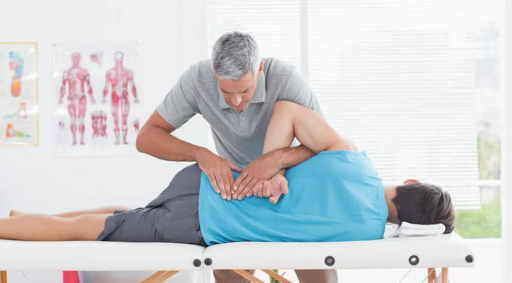
An osteopathy enquiry should lead to an assessment and explanation of options rather than a guarantee that treatment will restore movement. These five practices publish Norwich or nearby service locations. Their order is unranked and does not independently compare clinical quality. One is in Hethersett rather than Norwich city centre. Confirm the actual osteopath, registration and scope before booking. A clinic providing several therapies should not be treated as evidence that every listed treatment is needed or suitable.
Explain the concern, relevant medical history and practical activities affected. General browsing at Morning PR Vault is not clinical advice. Ask what the first appointment includes and how the clinician reaches a recommendation. A broad list of symptoms on a website should not replace an assessment or lead you to assume a particular diagnosis, technique or course of visits.
Anyone using the title osteopath in the UK must be registered with the General Osteopathic Council. Check the individual through the GOsC register; registrations have not been individually verified here. The NHS guidance says osteopathy may be unsuitable with certain medical conditions or medicines and advises GP input for persistent or recurring symptoms. Tell the clinician about your history and ask about benefits, risks and alternatives before consenting.
If back pain is accompanied by new bladder or bowel changes, loss of feeling around the genitals or anus, or weakness or numbness in both legs, follow NHS emergency advice: use A&E or 999 rather than wait for a routine appointment.
1. Norwich Osteopathic Clinic
Norwich Osteopathic Clinic publishes an Earlham Road address and osteopathy alongside other professional services. Ask which actual clinician and service fit the enquiry, with registration checked for the person providing osteopathic care. An integrated clinic can offer several routes without every patient requiring a combination. Confirm the assessment, fees and explanation of any referral rather than assume a broad list of conditions establishes that treatment will be appropriate or effective for the individual concern.
2. Norwich Osteopaths
Norwich Osteopaths publishes a Christchurch Road practice and names Laurent Reynolds and Lisa Richter among its practitioners. Its page describes a calm setting for osteopathic care. Ask which person is available and how the actual initial consultation is organised. A supportive-environment statement is useful information, not independent proof of a result. Confirm current registration, access and fees, with any further treatment plan explained and reviewed rather than inferred from a general claim of experience.
Suppose a Norwich patient wants help with restricted movement but has not had the concern assessed. Choosing only from treatment names may not settle the right route. Keep Trends Directories with general references, while seeking an explanation from an appropriate professional rather than treating a directory or testimonial as diagnosis.
3. The Practice Norwich
The Practice publishes a Whiffler Road address and osteopathy alongside other services. Ask which actual professional assesses the concern and whether any additional modality is being proposed. A menu containing several approaches is not a recommendation to combine them. Confirm how the assessment, alternatives and costs are explained before agreeing to care. Claims about easing pain or guiding recovery should not be treated as a guarantee of a particular outcome or a substitute for the individual clinician’s judgement.
4. The Osteopathic Consultancy
The Osteopathic Consultancy publishes a St Augustines Street, Norwich clinic and describes a ground-floor setting for osteopathy and other services. Ask about the actual accessibility and clinician before booking rather than infer every need from a general location description. A broader practice offer should still identify which professional and treatment are proposed. Confirm registration, fees and review arrangements, with benefits and risks discussed rather than rely on promotional phrases about leadership or the highest standard of care.
Treat consent as part of the conversation, not simply a booking form. Reading from Media PR Notes may prompt communication questions, but it is not medical evidence. Ask what the proposed approach involves, what alternatives are available and how the clinician reviews whether further sessions remain appropriate.
5. Revoco Osteopathic Clinic
Revoco publishes a Hethersett location at Park Farm Business Park, Norwich Road. It is a nearby option rather than a Norwich city-centre practice. Ask which osteopath and appointment fit the actual enquiry and confirm the location directly. A description of diagnosis and management should lead to a specific clinical discussion, not a guarantee of recovery. Check registration and fees, with any ongoing care or need for another professional explained before the patient accepts a continuing plan.
Compare the same consultation and proposed scope. If Local News Notes appears in the reference file, it should not replace official registration checks or assessment. Separate the first appointment, any treatment and later reviews rather than interpret a price or marketing promise as evidence of the best care for the individual.
Questions before making an enquiry
Does a clinic name prove registration?
No. Check the individual osteopath through the GOsC register and contact the regulator if a search needs clarification.
Is osteopathy suitable for everyone?
No. Discuss conditions, medicines and other care with the clinician and seek appropriate medical input.
Are movement or pain improvements guaranteed?
No. Ask about the actual assessment and realistic expectations rather than rely on the headline.
Does the first appointment commit you to more visits?
Ask how further care and charges are agreed, including the process for review or a different recommendation.
Choose the service that fits the actual need
Describe the concern and check the treating professional. Confirm the consultation, explanation and fees before booking. Use clinical assessment rather than a ranked-looking list to decide whether the proposed care is appropriate.