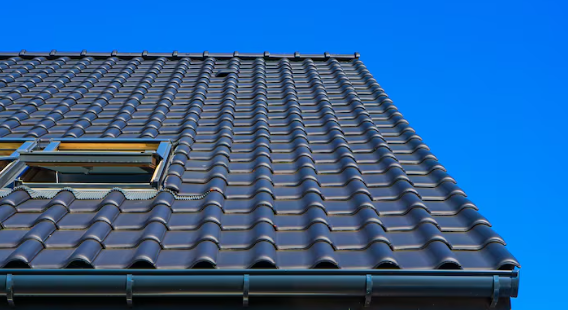
Your residential roof serves as your home’s primary line of defense against harsh weather elements, including torrential rain, intense sunlight, heavy winds, and freezing temperatures.
Over time, constant environmental exposure leads to wear and tear that can compromise structural integrity if left unattended. Ignoring minor leaks, missing shingles, or sagging areas usually results in expensive water damage and ruined interior insulation.
Proactive maintenance and timely interventions are vital for keeping your living space secure. To help you maintain top-tier overhead protection, here are essential tips to address the issues of your residential roof.
Evaluating the Benefits of a Durable Metal Roof Replacement
When an aging asphalt shingle roof reaches the end of its functional lifespan and continuous patching no longer stops recurring leaks, a complete upgrade becomes necessary.
Opting for a professional metal roof replacement offers unmatched longevity, exceptional weather resistance, and superior energy efficiency compared to traditional materials.
Modern metallic systems reflect solar radiant heat effectively, helping to lower household cooling costs during sweltering summer months. Investing in this robust roofing upgrade provides decades of worry-free structural defense for your home.
Upgrading Aesthetic Appeal with Stone Coated Metal Roof Shingles
Homeowners frequently hesitate to upgrade to industrial-grade metal systems because they worry about sacrificing the traditional architectural charm of their property.
Fortunately, innovative manufacturing has introduced stunning stone coated metal roof shingles that mimic the classic look of slate, tile, or wood shakes while delivering steel-level durability.
These advanced panels resist high winds, fire, and hail without cracking or fading over time. Choosing this sophisticated material allows you to combine timeless visual elegance with maximum exterior protection.
Conducting Regular Seasonal Inspections and Gutter Maintenance
Preventative maintenance is always far more cost-effective than emergency structural repairs following a severe storm. Make it a habit to inspect your overhead structure twice a year, as well as immediately after any major weather event.
Look for cracked flashing, loose sealant around chimneys, and missing protective granules. Additionally, keep your gutters and downspouts completely clear of fallen leaves and debris to prevent water pooling, which can rot fascia boards and seep under your roofline.
Addressing Minor Leaks and Damaged Flashing Swiftly
A small water stain on an upstairs ceiling or attic rafter is a warning sign that demands immediate investigation rather than procrastination. Water frequently travels along wooden framing before dripping down, meaning the interior leak point might sit yards away from the actual exterior damage.
Inspect your flashing around roof penetrations, vents, and skylights, as failing sealant is the leading cause of sudden leaks. Patching minor flashing issues promptly stops moisture from entering your framing and prevents mold colonies from developing.
Managing Attic Ventilation and Thermal Insulation Issues
Many premature roofing failures actually originate from poor airflow and excessive heat accumulation trapped within the attic space below. Inadequate ventilation causes shingles to cook from underneath during summer and promotes ice dam formation during freezing winter conditions.
Ensure your attic features balanced intake and exhaust vents, along with proper insulation levels. Maintaining a well-ventilated attic regulates surface temperatures, prevents moisture buildup, and significantly extends the overall lifespan of your roofing materials.
Hiring Licensed Professionals for Safety and Quality Assurance
While DIY home improvement projects can be rewarding, climbing onto a steep, elevated roof carries severe safety risks and requires specialized technical knowledge. Complex structural repairs, structural load calculations, and full system installations are tasks best left to licensed, insured roofing contractors.
Professional technicians possess the proper safety harnesses, diagnostic tools, and manufacturer certifications to execute repairs correctly. Entrusting your home to qualified experts guarantees that your overhead structure remains structurally sound and fully compliant with building codes.