
Demanding industrial environments continue requiring piping materials proven to perform reliably under sustained, challenging operational conditions. Understanding what makes certain materials particularly well suited to these environments helps engineers and buyers make more confident decisions. Exploring this reliability helps illustrate why certain material choices continue earning strong industry trust. Clear communication throughout any process helps ensure expectations remain aligned from start to finish.
Why Demanding Environments Require Proven Material Reliability
Industrial environments involving extreme temperature, pressure, or chemical exposure require materials with a proven track record of reliable performance. Choosing unproven or inappropriate materials for these conditions can result in costly failures with potentially serious safety consequences. Understanding this reality helps engineers appreciate why material reliability deserves particularly careful consideration for demanding applications. Recognizing this importance supports more confident, safety-conscious material selection decisions. Investing a little extra time upfront often saves considerable time, money, and frustration later on.
The Proven Reliability of Nickel Alloy Pipe
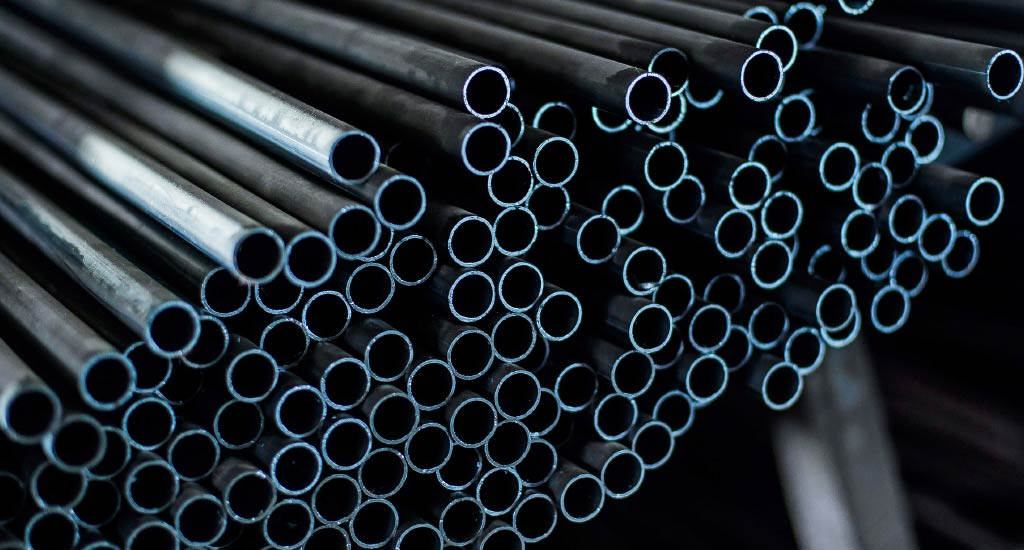
Choosing nickel alloy pipe provides engineers with a material proven to perform reliably across a wide range of demanding industrial environments and conditions. This material’s track record in challenging applications, from chemical processing to marine environments, has built strong industry confidence in its performance. Its consistent reliability under sustained stress explains why this material continues earning trust for genuinely critical industrial applications. This combination of proven performance and industry trust explains its continued strong consideration for demanding projects.
Understanding How Track Record Builds Engineering Confidence
Materials with extensive documented performance history allow engineers to make more confident decisions based on proven, rather than theoretical, performance. This confidence significantly reduces project risk, particularly for applications where material failure would carry serious safety or financial consequences. Understanding this connection helps illustrate why proven materials often justify their cost for critical industrial applications. Recognizing this value supports more informed material selection for demanding engineering projects. Understanding the full picture, rather than focusing on a single factor, supports smarter overall decisions.
Applications Where This Material Proves Particularly Valuable
Chemical processing, marine environments, and high-temperature industrial applications all commonly benefit from this material’s particular performance characteristics. Understanding these common applications helps engineers recognize situations where this material choice would likely provide the most meaningful value. This awareness supports more targeted, appropriate material selection for specific project requirements. Recognizing these patterns helps guide more strategic material sourcing for demanding applications.
Making Confident Material Decisions for Critical Projects
Consulting with experienced engineers helps confirm whether this particular material genuinely suits a specific project’s demanding requirements. Reviewing documented performance history and industry case studies provides additional confidence when making significant material investment decisions. Working with reputable suppliers ensures access to genuine, properly certified materials for critical industrial applications. This careful, informed approach helps engineers make confident decisions for demanding, critical projects. Taking the time to compare available options carefully often leads to more satisfying results in the long run.
Conclusion
Proven material reliability continues playing a critical role in supporting confident engineering decisions for demanding industrial applications. Understanding documented performance history helps engineers and buyers make more informed, confident material selection decisions. With careful attention to proven reliability, industrial projects can achieve the consistent performance their demanding applications require. Reviewing progress periodically helps catch small issues before they grow into larger, costlier problems.